头脑风暴
China’s market structure improves in H1 as AI, robots drive emerging industries_我的网站

A | 山东省住房和城乡建设厅等12部门近日联合印发《关于深化小城镇创新提升行动的意见》。作为“十五五”开局之年小城镇建设的纲领性文件,该意见在总结“十四五”100个试点镇创新提升经验的基础上,对深化行动作出系统部署。

B |
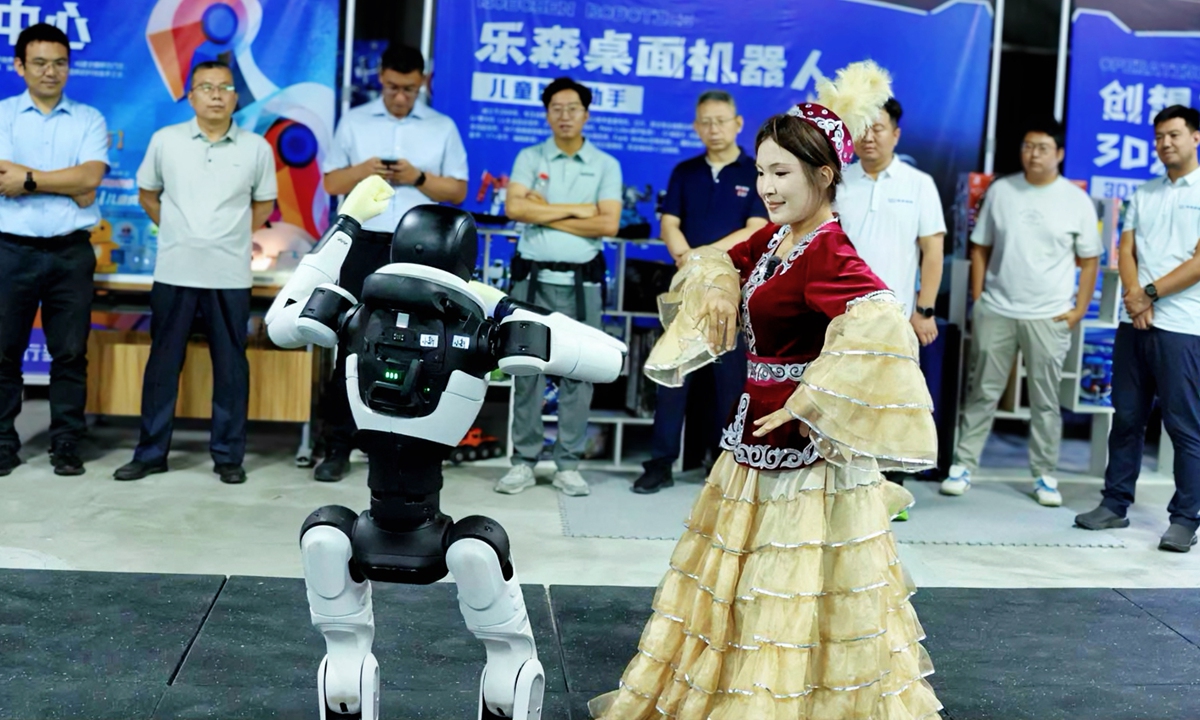
China's market landscape experienced a structural optimization in the first half of 2026, powered by a lineup of emerging and future-oriented industries.
Official data from the State Administration for Market Regulation (SAMR) shows 561,000 new enterprises were registered across China's strategic emerging and future industries, spanning next-generation information technology, high-end equipment manufacturing, generative artificial intelligence (AI) and humanoid robotics.
The rapid expansion of these new market players is revamping China's industrial layout and fast-tracking the cultivation of new quality productive forces, underpinning steady high-quality economic upgrading, experts said.
Cutting-edge technology sectors stood out as the brightest growth spots, posting explosive year-on-year expansion. The generative AI industry recorded a 28 percent surge in new start-ups with 55,000 newly established firms, while the humanoid robot sector saw a 9.5 percent rise, adding 116,000 new enterprises.
"It shows that China's innovation momentum is exceptionally strong and remarkably broad-based — a trait that is virtually unique in the global landscape," Chen Jing, a vice president of the Technology and Strategy Research Institute, told the Global Times on Sunday. "The explosive growth of new enterprises in AI and robotics reflects the extraordinary depth and diversity of China's industrial ecosystem."
Outside high‑tech sectors, 3.957 million new services‑sector enterprises were established and booming emerging‑consumption businesses injected fresh impetus into domestic demand, the SAMR said.
The number of new firms in software and telecommunications services rose 3.3 percent to 322,000. Inspection‑and‑testing businesses soared 43.9 percent, and entities dedicated to the commercialization of scientific‑research achievements climbed 6.8 percent to 459,000.
Manufacturers accelerated industrial upgrading with companies moving up the value‑chain ladder, the SAMR said.
High‑end equipment industries have maintained growth during the first half, with 28,000 newly registered firms and a year‑on‑year increase of 2.5 percent.
A total of 330,000 high‑tech‑manufacturing enterprises were operating as of the end of June, including 15,000 newly established ones. Start‑ups engaged in the production of spacecraft and launch vehicles rocketed 185.7 percent. New producers of fiber optic cables climbed 129.4 percent and integrated‑circuit businesses increased by 24.2 percent.
"We are witnessing a dual-engine growth model, where new consumption in the services sector and high-tech services reinforce each other, while the digital and real economies integrate at an accelerating pace. At the same time, the intelligent transformation of manufacturing is picking up speed," Chen said.
The dividends from this industrial transformation are generating a powerful multiplier effect, creating a virtuous cycle led by innovation, Chen noted.
"The first‑half growth and structural shifts among China's market‑based businesses mirrored the country's overall economic momentum and industrial makeup. New‑emerging sectors, core strategic pillar industries and forward‑looking future industries registered the fastest business expansion," Tian Yun, a veteran economist, told the Global Times on Sunday.
These solid achievements fully reflect the success of China's innovation-driven economic strategy.
Strong policy support for specialized, sophisticated, unique and innovative enterprises has fueled this industrial boom while these market players have helped China shore up, upgrade and extend its industrial chains, Tian noted.
This business boom lines up with this year's stellar foreign trade figures, Tian noted.
China's exports rose 23.9 percent year-on-year in dollar terms in July, data from the General Administration of Customs showed on Friday.
Exports of high-tech products, including industrial robots and 3D printers, surged by more than 50 percent year-on-year, outpacing the 39 percent growth recorded in the first half of the year, according to the Xinhua News Agency.
The growing pool of high‑quality market players signaled lasting improvements in China's global competitiveness, industrial upgrading capacity and the standard of goods and services. Broader product ranges, better‑made commodities and improved supporting services will deliver durable new‑growth momentum, Tian noted.
。 新一轮遴选启动 “十四五”试点镇不再重复申报 “十四五”期间,山东省人民政府选取100个镇开展创新提升,取得了明显成效。为进一步深化小城镇创新提升行动,全面提升小城镇综合承载功能和辐射带动能力,《意见》提出,各设区市从辖区内建制镇中,通过自愿报名,按照不超过总数10%的比例,选择基础条件好、积极性高的镇开展创新提升。“十四五”期间已开展创新提升的镇,不再重复申报。
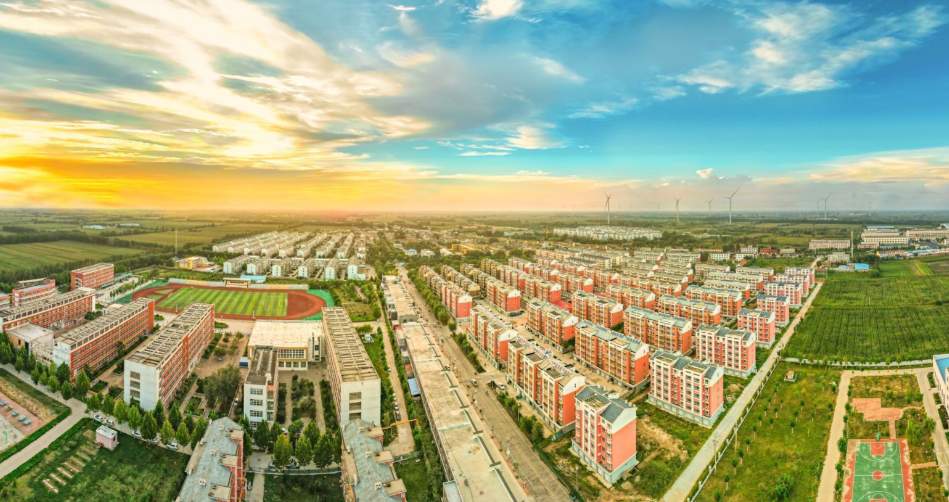 四大提升方向锚定2030年目标
根据《意见》,到2030年,全省小城镇经济实力持续增强,人居环境明显改善,绿色发展成效显现,安全韧性水平提升,数字化治理效能实现突破,成为推动乡村全面振兴、深化城乡融合发展、推进以人为本的新型城镇化的重要载体。
四大提升方向锚定2030年目标
根据《意见》,到2030年,全省小城镇经济实力持续增强,人居环境明显改善,绿色发展成效显现,安全韧性水平提升,数字化治理效能实现突破,成为推动乡村全面振兴、深化城乡融合发展、推进以人为本的新型城镇化的重要载体。
C | 围绕这一目标,部署了四大方面的重点任务: 培育提升产业发展动能 山东坚持把发展产业作为小城镇创新提升的核心引擎。《意见》明确,卫星镇要深度融入中心城市产业链布局,积极承接先进制造、现代物流、研发中试等产业;县域次中心镇要着力集聚强化主导产业,推动产业链向高附加值环节延伸;特色专业镇要立足资源禀赋和传统优势,集中培育文旅康养、现代农业、农产品加工、手工文创等特色产业,打造“一镇一品”产业标识,形成差异化发展格局。 同时,实施“强链、延链、补链”专项行动,建设一批小微企业园、科创产业园和“共富工坊”等,增强创新创业、就业吸纳和增收致富的承载能力,形成以产兴镇、以镇促产、镇村联动的发展格局。鼓励地理位置相邻、产业类型相近的小城镇推进产业片区化发展,探索建立跨镇利益协调与成本共担、产业项目协同流转、收益共享等机制。统筹产业布局与服务功能配套,打造产业邻里中心、创新服务综合体等载体,推行“园区事、园区办”,持续优化营商环境。

D | 聚力提升镇区空间品质 围绕提升镇区空间品质,《意见》鼓励结合自然生态特色、地域人文特点等,建设符合小城镇居住需求的安全、舒适、绿色、智慧“好房子”,有条件的镇推进社区嵌入式服务设施建设,打造“一刻钟”便民生活圈。

E | 在综合环境治理方面,加强市政道路建设和维护修缮,整治违规占道经营、乱设摊点、车辆乱放等问题,推进空中线缆序化整治,完善镇区无障碍设施建设,提升居民出行便捷度与安全性。

F | 加强街头绿景、公园绿地等公共活动空间建设,打造“百姓园林”,构建镇园相融、干净整洁、生态宜居的镇区环境。 在特色风貌塑造上,重点推进镇区出入口、主要街道、重要节点等的特色风貌建设,加强建筑形态引导,统筹建筑高度、体量、色彩、材质等要素,营造协调有序、独具特色的建筑界面。加强历史文化保护与传承,延续老镇区、老街巷的空间肌理,推动传统风貌与现代功能有机融合。鼓励有条件的镇实施镇区数字化建设,在供水、燃气、安防等重点领域探索物联网技术应用,增强设施运行监测与风险预警能力,提升镇区治理与服务智慧化水平。 完善提升设施服务功能水平 在基础设施方面,有序实施供水、供电、供气、通信等老旧管网、线缆更新改造,提升运行安全水平。加强镇村路网、公共交通等互联互通,提升镇区生活污水设施建设运营、生活垃圾收运处置水平,推动管道燃气向镇村覆盖,积极推进新能源充电桩、换电站等设施建设。

G | 在公共服务方面,深化紧密型县域医共体内涵建设,巩固完善管理体制和运行机制,持续推进人员、服务、技术、管理下沉,提升基层医疗服务能力。打造城乡教育共同体,通过集团化办学推动镇区优质教育资源向乡村延伸。推进乡镇区域性养老服务中心提档升级,完善日间照料中心、幸福院等设施。推进便民服务中心标准化、智能化升级,推行“就近办、上门办、帮代办”服务模式,提升群众办事便利度。支持产业大镇、强镇建设青年人才发展“微生态”。 在综合防灾减灾方面,优化镇区防灾空间布局,科学划定生态防护屏障、应急疏散通道和防灾留白空间。建设布局均衡的应急避难场所和消防配套设施,提升安全韧性和应急处置能力。 创新提升要素配置保障能力 《意见》明确,指导开展创新提升行动的镇结合自身实际,制定小城镇创新提升实施方案。建立创新提升重点项目库,统筹存量与增量建设用地,保障项目用地需求。对符合条件的项目,在地方政府专项债券、超长期特别国债等资金申报时积极给予支持。开展镇银企对接活动,鼓励和引导金融机构创新金融产品和服务方式,加大信贷支持力度。建立小城镇创新提升专家团队,开展相关研究,提供智力支持。适时调整扩大经济规模大、人口增长快的特大镇经济社会管理权限。
Current article:http://zxuirk.foujiongwenruapoumeizhan.buzz/news/20260826_32568.html
Published on:21:11:00